About Me
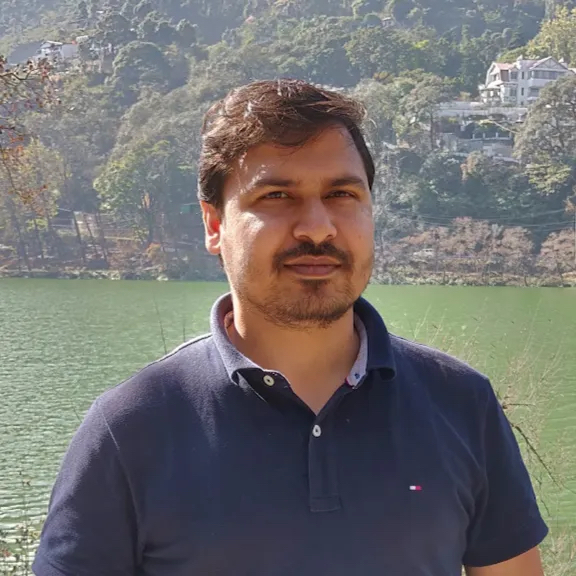
Hello! I'm Kuldeep Kumar.
Computational neurogenetics | Brain imaging | Statistical genetics
I integrate human genetics, neuroimaging, and computational methods to understand how genetic variation shapes brain and behavior. My path spans engineering, ISRO, MRI, and large-scale human genomics.
Why do the effects of genetic variation differ across tissues, brain networks, behavior, and psychiatric risk—and what biological contexts explain this pleiotropy?
My research examines how gene dosage, cell and tissue specificity, brain organization, and development shape these effects. I use the brain as a central system for connecting genomic variation to cognition, behavior, and psychiatric phenotypes.
The Core Insight: Genetic effects depend on biological context. Reciprocal CNVs such as 22q11.2 deletion and duplication alter the same genomic region yet can have distinct effects. Across my work, this principle extends from cell- and tissue-specific gene sets to brain organization and behavior.
Neuroimaging provides another way to parse these effects. By comparing cortical surface area and thickness, my current work finds different patterns for rare genetic risk and psychiatric diagnoses—an initial step toward separating inherited vulnerability from later influences.
Research Vision: I integrate genetics, neuroimaging, and behavior in a "genes to brain networks to behavior" framework that:
- Maps rare and common genetic effects across brain structure, cognition, behavior, and psychiatric risk
- Tests how gene dosage, biological context, brain organization, and developmental timing shape these effects
- Connects human genetic findings to neurobiological mechanisms
Approach: I combine biobank-scale genetics, neuroimaging, statistical genetics, and machine learning across UK Biobank, PGC-CNV, ENIGMA, G2MH, and related datasets.
Impact: My long-term goal is to move from broad genetic associations toward biologically grounded models of where, when, and in which contexts genetic variation matters.
Background:
- Postdoc: University of Montréal (Lab of Dr. Sebastien Jacquemont), studying the impact of rare variants on cognition and brain structure.
- Ph.D. in Computer Science: ÉTS, Montreal (Prof. Christian Desrosiers), developed frameworks for multi-modal MRI analysis and brain fingerprinting using machine learning.
- M.Tech. & B.Tech. (Honors) in Electronics & Electrical Engineering: IIT Kharagpur, India.
Professional Experience:
- 2024/12 - 2025/03 Visiting Researcher, University of Cambridge, UK. Copy number variant architecture of the human brain's cortical organization.
- 2016/10 - 2017/03 Visiting Researcher, Aramis lab, ICM, Inria Paris, France. Developed a method for white matter fiber segmentation using functional varifolds.
- 2012/06 - 2013/08 Scientist, Indian Space Research Organization (ISRO), SAC Ahmedabad, India. Developed satellite image registration algorithms; deployed satellite image-based crop forecasting software (FASALSoft); calibrated thermal imaging data for Mars Orbiter Mission.
- 2011/05 - 2011/07 Research Assistant, MITACS Globalink Internship, ETS Montreal, Canada. Developed manifold learning models to predict future states of time-evolving structures.
- 2010/05 - 2010/07 Research Assistant, GREYC Lab, Université de Caen Basse-Normandie, France. Compared deep neural networks with SVM and tree-based classifiers for diffusion MRI data classification.
Recent News
Accepted at Nature Communications: Determinants of functional burden pleiotropy and gene dosage responses across human traits (Kazem S* and Kumar K*, joint first authors).
ASHG 2026 Choice Abstract: Cell-type and tissue-specific genes affect brain and behavior when deleted or duplicated, but rarely both. Selected among the top 10% of poster abstracts.
Short talk accepted: Wellcome Connecting Science, Genomics of Brain Disorders 2026, Session 1: Genes in Context: When and Where Genetic Risk Acts.
Current Research Projects
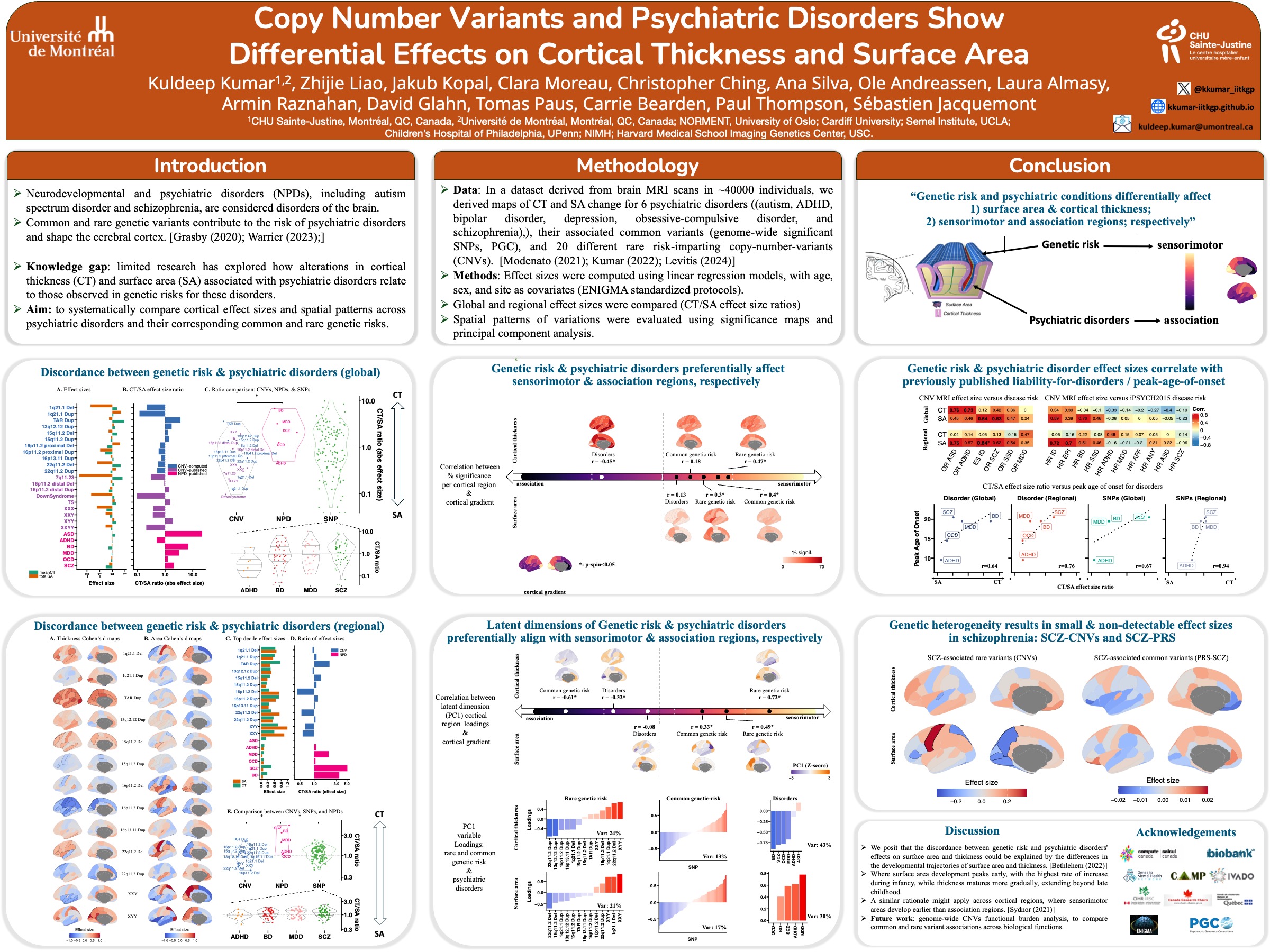
Dissect the genetic causes from consequences: Genetic variants and Psychiatric Disorders
Conference: ACNP 2024
We address a fundamental question in psychiatry: do case-control differences from rare genetic risk factors relate to those reported in people with a psychiatric diagnosis? Genetic risk was preferentially linked to cortical surface area, while a diagnosis was associated with thickness. This distinction suggests that brain differences in patients may not be a direct result of these genetic risk factors alone, but may be shaped by factors like medication or the lived experience of illness.
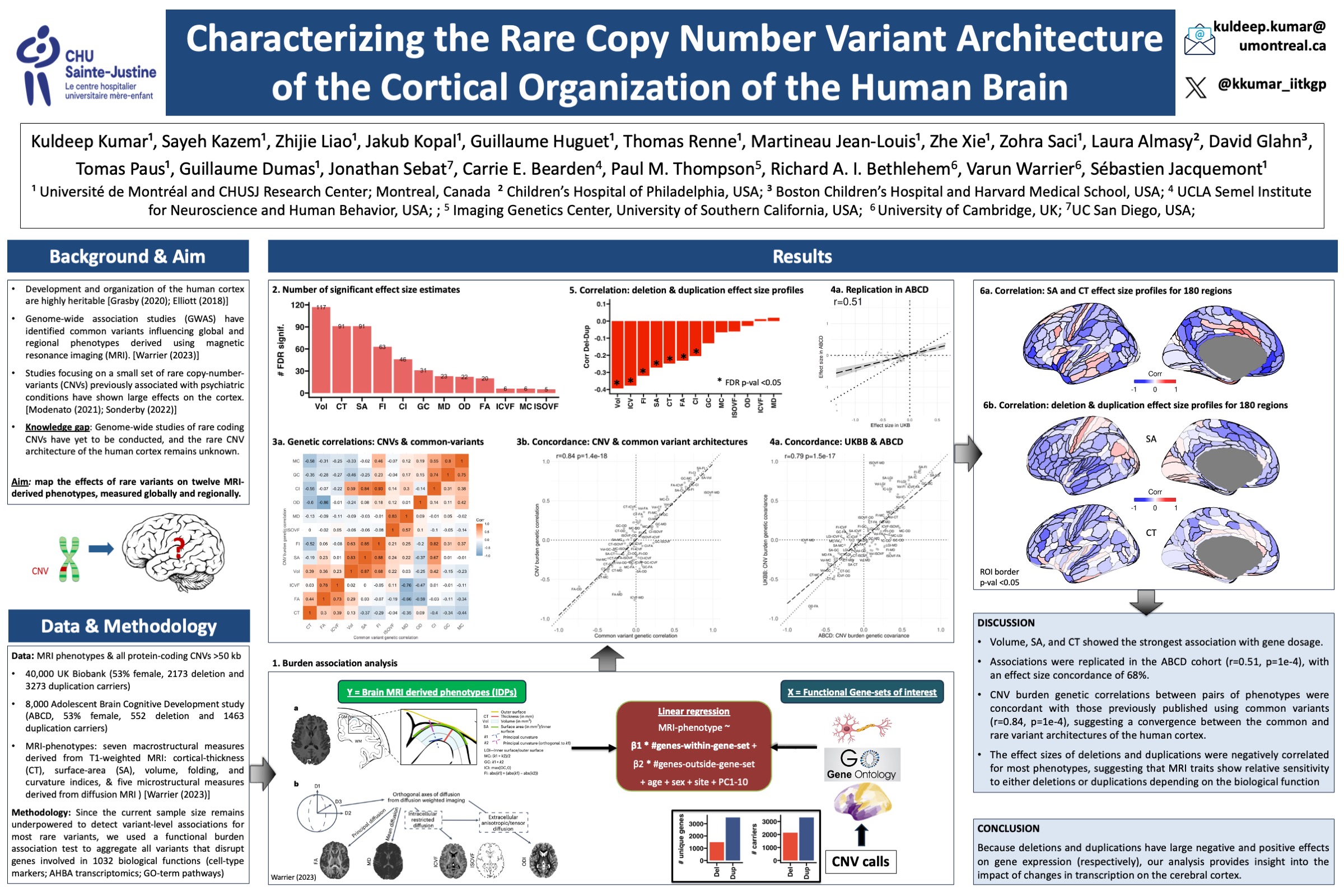
Gene Dosage Architecture of the Human Brain's Cortical Organization
Conference: SOBP 2024
We aim to map the architecture of rare CNVs to specific patterns of cortical organization, providing a link between rare genetic events and brain structure.
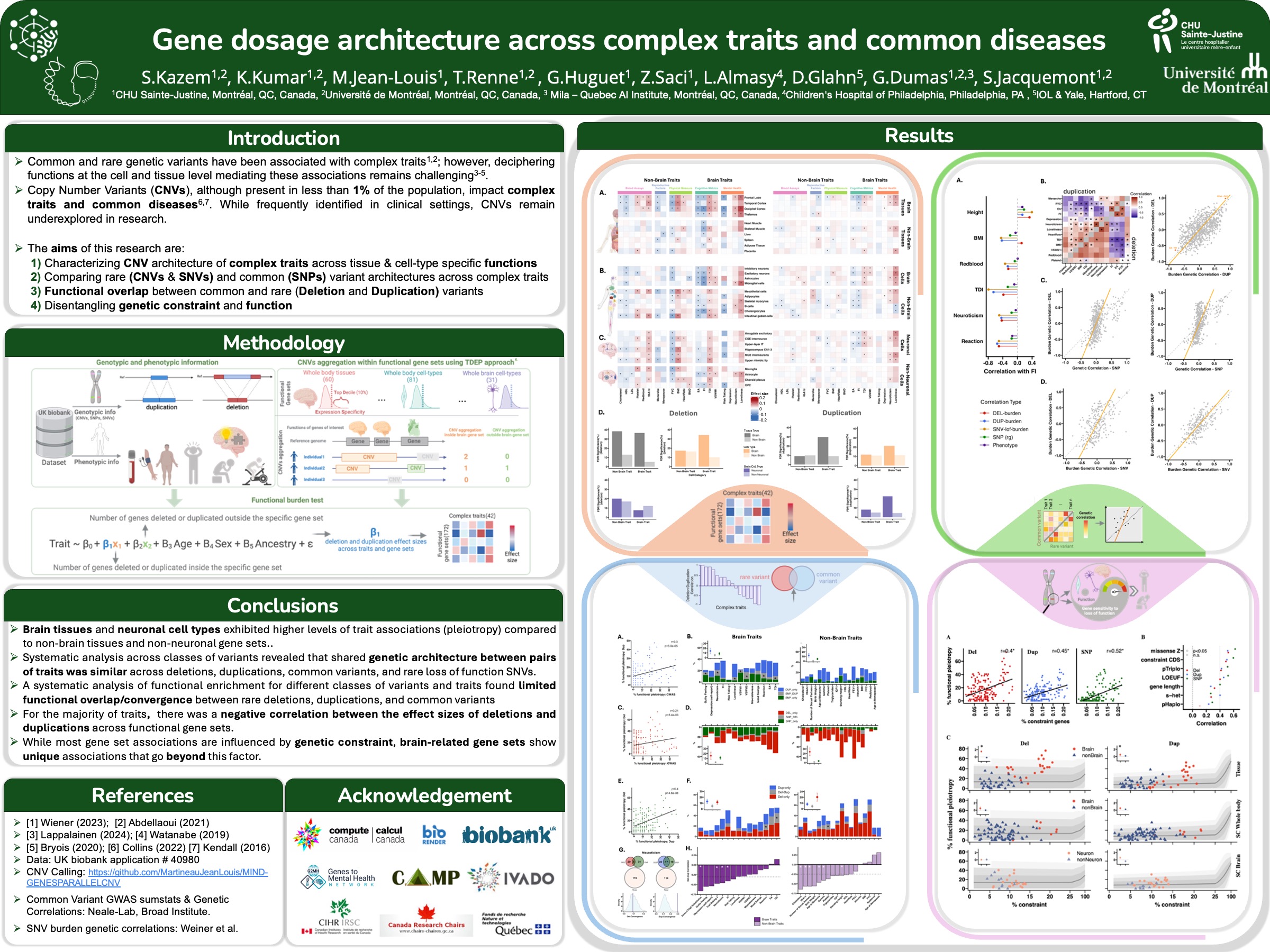
Brain-body axis: Biological determinant of gene dosage responses across complex traits
Conference: ASHG 2024
This work investigates how copy number variants (CNVs) significantly impact a wide range of complex traits, exploring the functional pleiotropy of brain functions often beyond genetic constraint, and whether their functional effects are largely distinct from common genetic variants.
Awards & Honors
- IVADO Postdoctoral Scholarship (Genetics and Artificial Intelligence (AI), 2018-2020
- Outstanding Reviewer Award, MICCAI, 2020
- Best Ph.D. thesis award, Prix d’excellence du Conseil d’administration de l’ÉTS, 2018
- Best poster award, Artificial Intelligence in Medicine (C$ 1000), 2018
- FRQNT-REPARTI International training scholarship, 2016-2017
- Mitacs Globalink Research Award-Inria France, 2016-2017
- Mitacs Globalink Graduate Fellowship, 2013-2015
- Mitacs Globalink Graduate Fellowship, 2013-2015
- Dual degree Assistantship Merit Award, IIT Kharagpur, 2011-2012
- Mitacs Globalink Research Internship Award, 2011
- Merit Cum Means Scholarship, IIT Kharagpur, 2007-2011
Grants
- 2025: Co-I on CIHR grant, ”Multifeature brain investigation of genetic liability for neurodevelopmental and psychiatric disorders” (PI: Sebastien Jacquemont). Generated the main hypothesis and related preliminary results for the grant.
- 2023: Part of NIH R01 grant on Neuroimaging & CNVs (PI: Sebastien Jacquemont, Paul Thompson, and Carrie Bearden). Generated the preliminary results for two aims (CNV neuroimaging signatures and their transcriptomic and cellular decoding) and power analysis for all three aims of the grant.
- 2023: Part of CIHR grant, ”Combining Space, Time, and cell types to decode and explain the effect sizes of rare genomic variants on cognition and psychopathology.” (PI: Sebastien Jacquemont). Generated the main hypothesis and related preliminary results for the grant.
- 2023: Part of NIH R01 grant on 22q11.2 deletion (PI: Carrie Bearden). Generated preliminary results on transcriptomic and cellular decoding of 22q11.2 deletion MRI profiles and related power analysis for the grant.
Teaching & Mentoring
- 2025: Teaching assistant (N=52), Neuromatch Academy 2025, Computational Neuroscience course
- 2024: Teaching assistant (N=27), Neuromatch Academy 2024, Computational Neuroscience course
- 2022; 2023: Neuromatch Academy 2022 (N=6) / and 2023 Mentor (N=7), Mentored Neuromatch Academy students for their final projects
- 2018-present: PhD students' supervision, Canada (N=2)
- 2019; 2021: CHU Sainte-Justine undergraduate Internship supervision, Canada (N=2)
- 2016, 2015: Globalink Research Internship Mentor, MITACS, Canada (N=6)
Select Publications
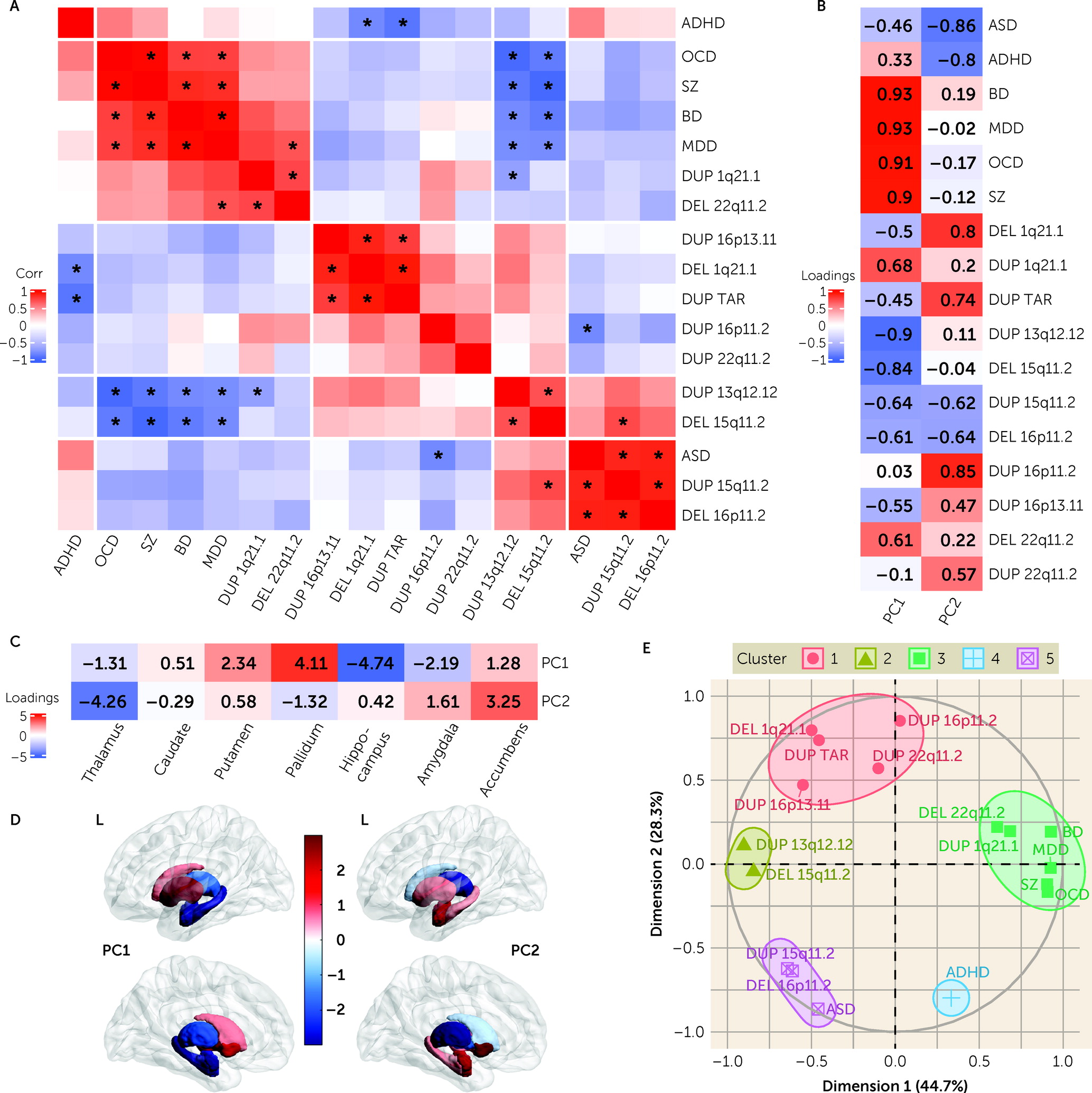
Subcortical brain alterations in carriers of genomic copy number variants
Authors: Kumar, K., et al.
Journal: American Journal of Psychiatry (2023)
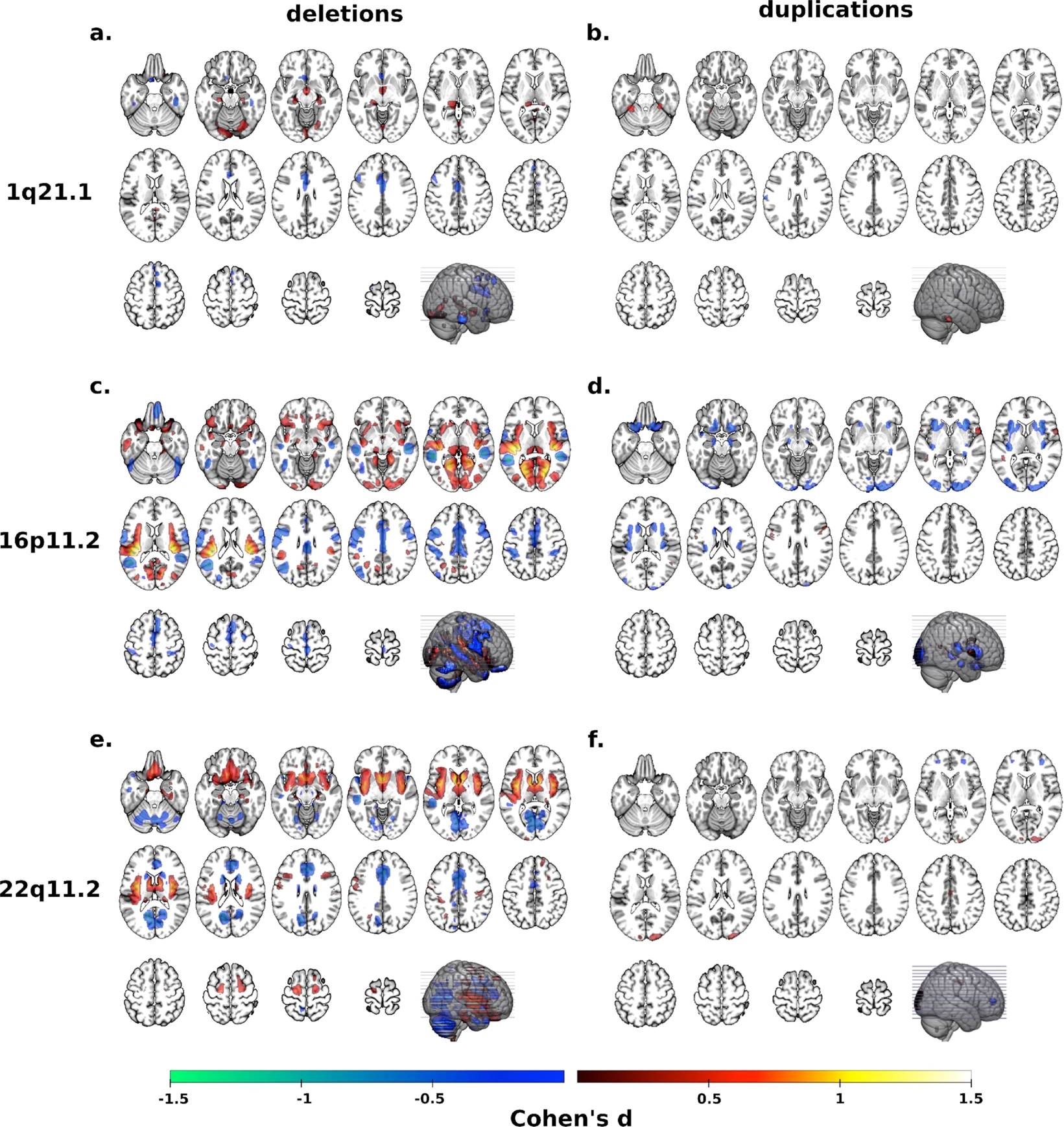
Effects of eight neuropsychiatric copy number variants on human brain structure
Authors: Kumar, K., et al.
Journal: Translational Psychiatry (2021)
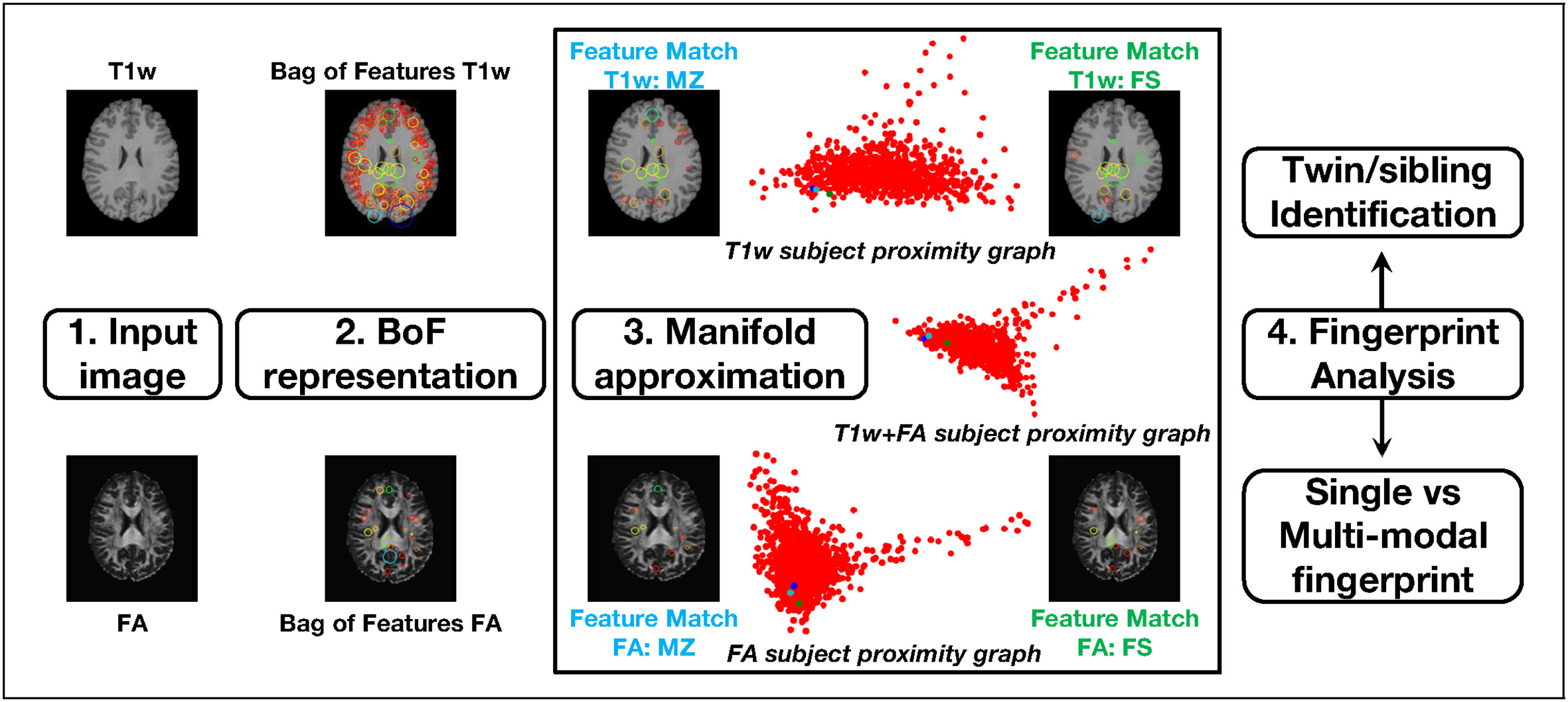
Multi-modal brain fingerprinting: A manifold approximation based framework
Authors: Kumar, K., et al.
Journal: NeuroImage (2018)
For a complete list, please see my Google Scholar profile.
- Engchuan, W., Shanta, O., Kumar, K., MacDonald, J. R., et al. (2025). Psychiatric disorders converge on common pathways but diverge in cellular context, spatial distribution, and directionality of genetic effects. medRxiv (2025): 2025-07. Part of the PGC-CNV package. [PDF]
- Kumar, K., Liao, Z., et al. (2025). Cortical differences across psychiatric disorders and associated common and rare genetic variants. medRxiv (2025): 2025-04. [PDF]
- Kazem*, S., Kumar*, K., et al. Determinants of functional burden pleiotropy and gene dosage responses across human traits. Accepted, Nature Communications. *: Joint first author. [PDF]
- Kumar*, K., Kazem*, S., et al. (2025). Mirror effect of genomic deletions and duplications on cognitive ability across the human cerebral cortex. To be submitted soon. bioRxiv (2025): 2025-01. *: Joint first author. Part of the PGC-CNV package. [PDF]
- Liao, Z., Kumar, K., et al. (2025). Copy Number Variants and the Tangential Expansion of the Cerebral Cortex. Nature Communications 16.1 (2025), 1697. [PDF]
- Kumar, K.*, Modenato, C.*, Moreau, C., Ching, C. R., Harvey, A., et al. (2023). Subcortical brain alterations in carriers of genomic copy number variants. American Journal of Psychiatry, 180(9), 685–698. *: Joint first author. [PDF]
- Kopal, J., Kumar, K., Saltoun, K., et al. (2023). Rare cnvs and phenome-wide profiling highlight brain structural divergence and phenotypical convergence. Nature Human Behaviour, 7(6), 1001–1017. [PDF]
- Moreau, C. A., Kumar, K., Harvey, A., et al. (2023). Brain functional connectivity mirrors genetic pleiotropy in psychiatric conditions. Brain, 146(4), 1686–1696. [PDF]
- Modenato, C.*, Kumar, K.*, Moreau, C., Martin-B., S., et al. (2021). Effects of eight neuropsychiatric copy number variants on human brain structure. Translational Psychiatry, 11(1), 399. *: Joint first author. [PDF]
- Kumar, K., Siddiqi, K., and Desrosiers, C. (2019). White matter fiber analysis using kernel dictionary learning and sparsity priors. Pattern Recognition, 95, 83–95. [PDF]
- Kumar, K., Toews, M., Chauvin, L., Colliot, O., and Desrosiers, C. (2018). Multi-modal brain fingerprinting: A manifold approximation based framework. NeuroImage, 183, 212–226. [PDF]
- Kumar, K., Desrosiers, C., Siddiqi, K., Colliot, O., and Toews, M. (2017). Fiberprint: A subject fingerprint based on sparse code pooling for white matter fiber analysis. NeuroImage, 158, 242–259. [PDF]
Select Oral Presentations
- 2025/04: Discordant Cortical Patterns between Psychiatric Disorders and Corresponding Common and Rare Genetic Risks. Society of Biological Psychiatry (SOBP) 2025, Toronto, Canada
- 2024/11: Rare Copy Number Variant architecture of the cortical organization of the human brain. American Society of Human Genetics (ASHG) 2024, Denver, USA
- 2024/05: Subcortical brain alterations across copy number variants converge with those in severe mental illnesses. SOBP 2024, Austin, USA
- 2023/11: Autism and cognitive ability: insights from gene dosage and large scale brain networks. American Society of Human Genetics (ASHG) 2023, DC, USA
- 2023/09: Gene dosage across the human brain and effects on cognition and ASD risk. Genes to Mental Health (G2MH) annual meeting, NIMH, USA (2023)
Blog
Notes and perspectives on neuroimaging, genetics, and the tools reshaping how we connect them.
Select Presentation
SOBP 2024: Click to watch on Vimeo
Connect on X (Twitter)
Tweets by @kkumar_iitkgpContact
Professional:
kuldeep.kumar@umontreal.ca
Personal:
kuldeepkumar.iitkgp@gmail.com